| Problems in Downtowns | Preservation and Downtowns |
|---|
Not surprisingly, it is sometimes difficult for city officials to resolve this dilemma. Growth, of course, leads to a larger tax base, which is always seen as a top priority by city officials. They may consider the preservation of existing historic structures as important, but only as only a secondary goal.
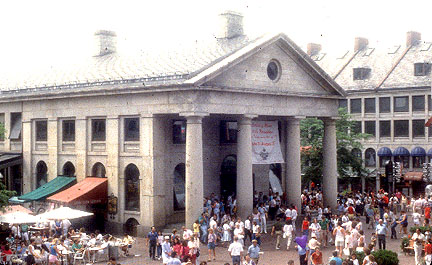 Where should growth in our cities be encouraged--in the center city or on the urban fringe? In the last few decades we as a society oriented our attention to the suburbs and away from our traditional urban centers. As a result, over time many of our older downtowns were largely forgotten. Downtowns began to take on an air of obsolescence.
The question downtown merchants and business people faced was what to do about suburban competition. Previously, downtowns had relied on a captive local market. Now local shoppers had an alternative, which they seemed to prefer.
Downtown merchants had a choice to make. Should they join the bandwagon, and relocate their business in one of the new malls? Many did, and downtowns with storefronts formerly housing stable businesses now had storefronts that were either vacant or the site of transient shops. Once vibrant downtown department stores were replaced with second-hand furniture stores, clothing stores were replaced with hair salons.
Some merchants stayed, but only because their building had long since been paid for, overhead osts were minimal, and taxes were lower. They recognized that in a mall their business would be subject to the high cost of leasing space, as well as tighter controls on inventory, promotions and displays. Some businesses remained downtown due to inertia, more than to a conscientious business strategy. Others watched the vitality ebb from downtown life, but elected simply not to face it; they simply responded by going out of business.
| Problems in Downtowns | Preservation and Downtowns |
|---|
| Advantages of Preservation | Historic Districts: Concerns and Comments |
|---|
| Main Street Program | Economic Benefits of Preservation |
|---|

